Orca Whale
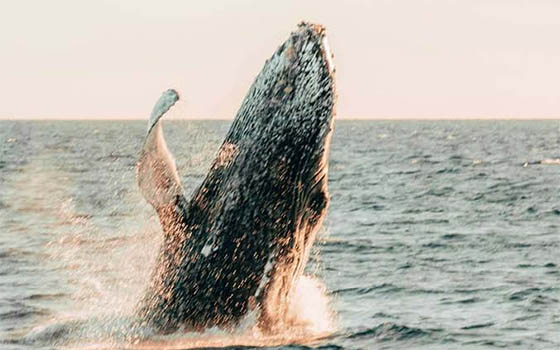
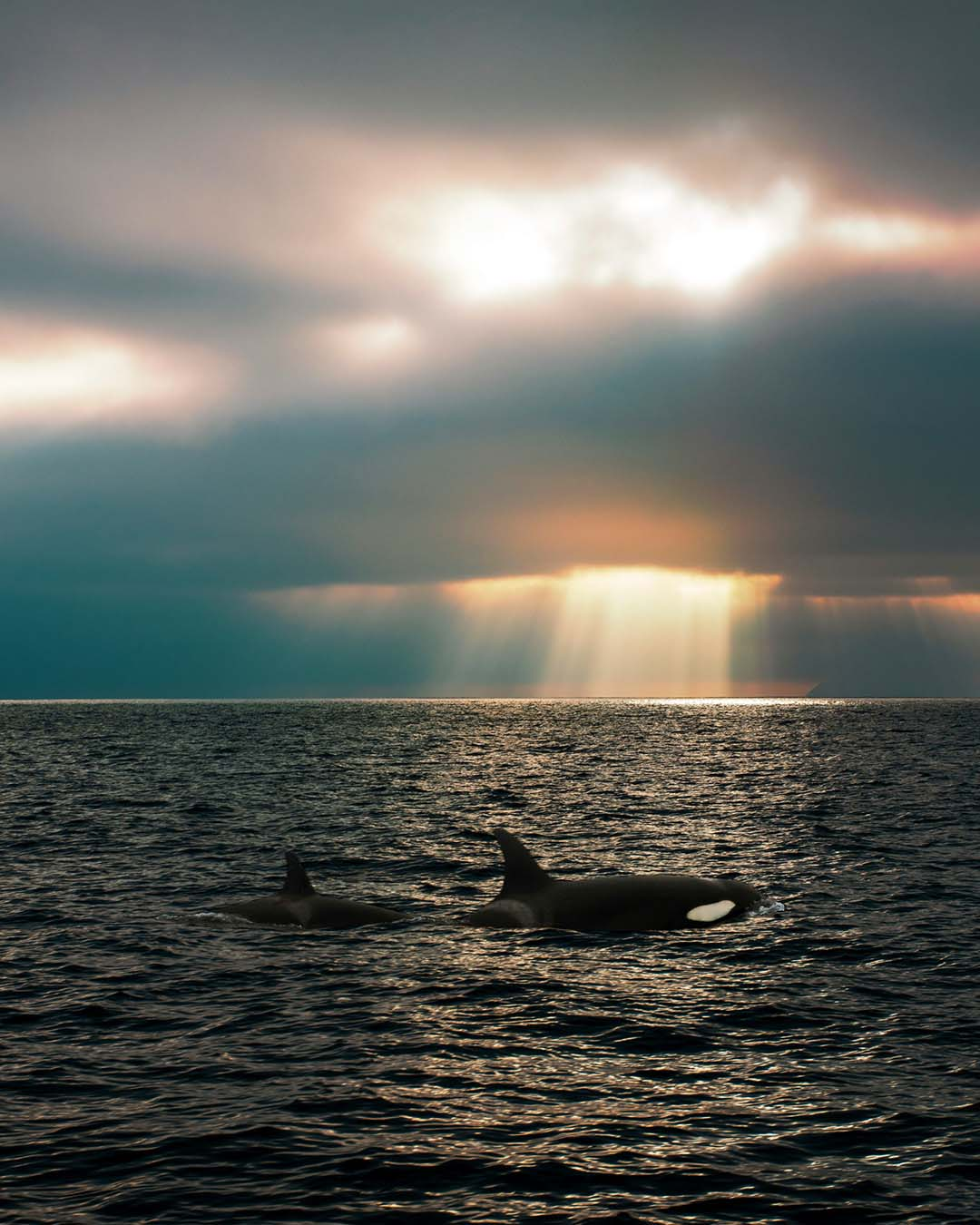
If you’ve seen a killer whale, then you’ve seen an orca! It’s a slightly misleading nickname, because they’re not whales. They are, in fact, the largest member of the dolphin family.
Orcas combine brains, brawn, and breathtaking beauty. Their striking black-and-white markings and towering dorsal fins make them unmistakable, but it’s their intelligence and teamwork that set them apart. Orcas hunt in pods using complex strategies, like corralling fish, flipping seals off ice floes, or even beaching themselves briefly to snatch prey.
They’re found in oceans from the Arctic to the Antarctic, but seeing them in polar waters, where they move effortlessly among icebergs and hunt in synchrony, is pretty unbeatable.

Where they live

When you’re likely to see them
In the Southern Ocean, orcas are most frequently spotted from November to March, coinciding with peak feeding season. They’re particularly active in regions with dense wildlife activity, making them a common sight during Antarctic expedition cruises in summer months.
Mating/nesting patterns/seasons
Orcas don’t have a fixed breeding season, though most calves are born in autumn and winter after a 15–18 month gestation. Calves remain with their mothers for years, learning the pod’s hunting techniques and vocal calls. These calls are cultural traits passed down through generations in what scientists describe as distinct “ecotypes”.
Why it’s so special seeing them
Orcas are highly social, curious, and often seem as interested in us as we are in them. Watching them coordinate a hunt or surface together is one of life’s greatest joys. In Antarctic waters, every encounter feels rare, intimate, and unforgettable.
Other wildlife