

Humpback Whale
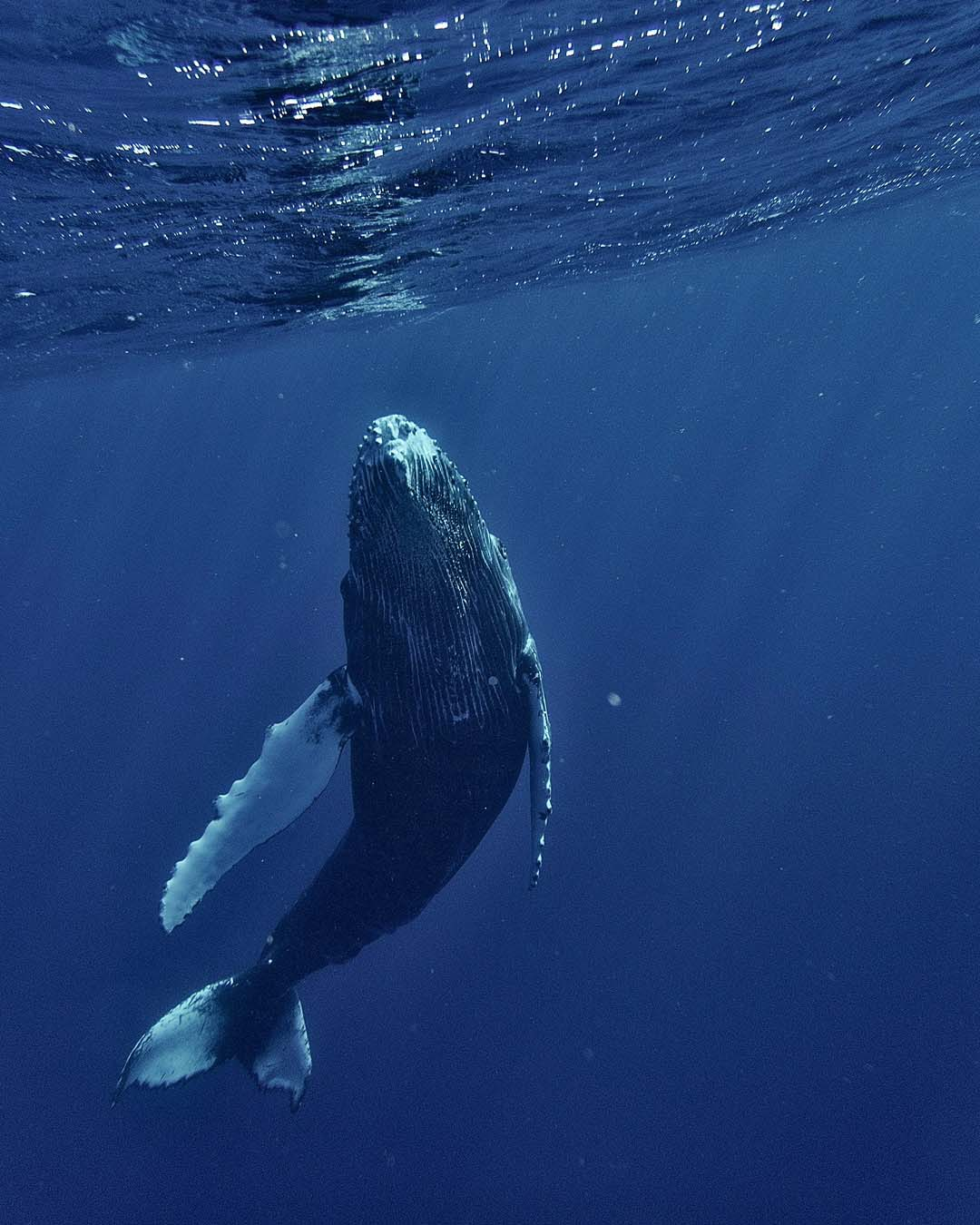
Famous for their haunting songs and spectacular acrobatics, these giants migrate thousands of kilometres each year, a round trip that puts most frequent flyers to shame. Adults can reach up to 16 metres in length and weigh around 30 tonnes, yet they move with a grace that defies their size.
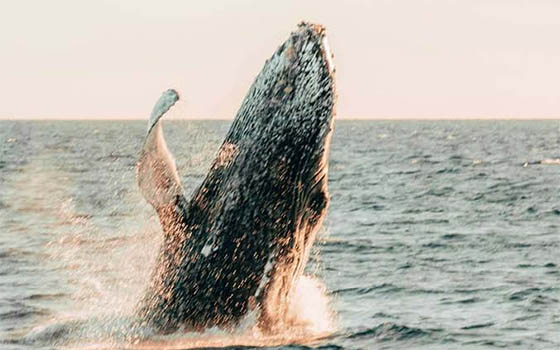
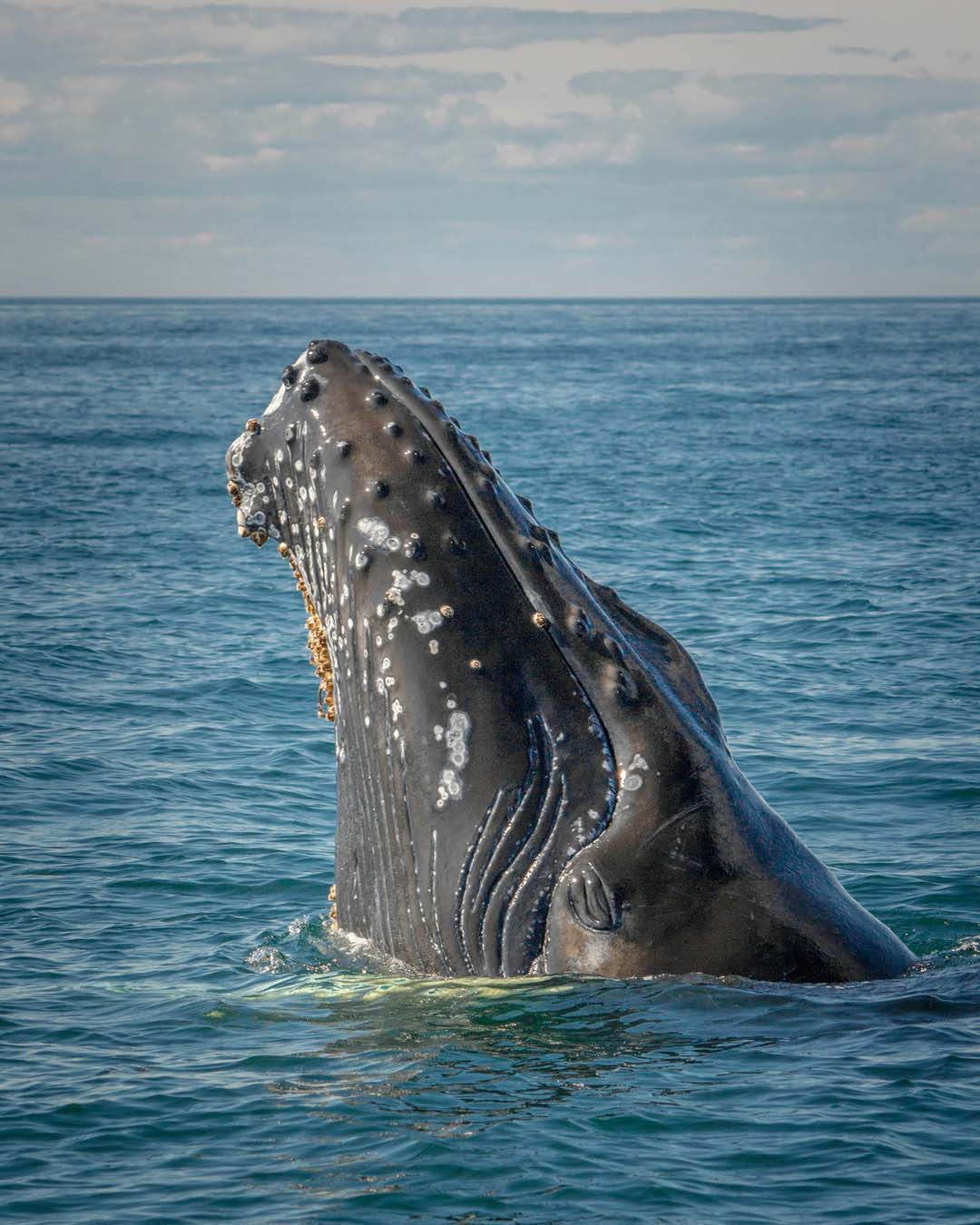
Their long pectoral fins, knobbly heads, and habit of breaching entirely out of the water make them one of the most recognisable whales in the world. Whether you’re watching them bubble-net feed in the polar seas or nurse calves in tropical lagoons, Humpback Whales are so fascinating and complex, in fact, that we’re still discovering new habits and skills all the time.

Where they live
When you’re likely to see them
Peak viewing depends on location and migration timing. In Antarctic waters, they’re most active from November to March while feeding on krill. In breeding regions, sightings are best between June and October, when adults court, mate, and care for calves.
Mating/nesting patterns/seasons
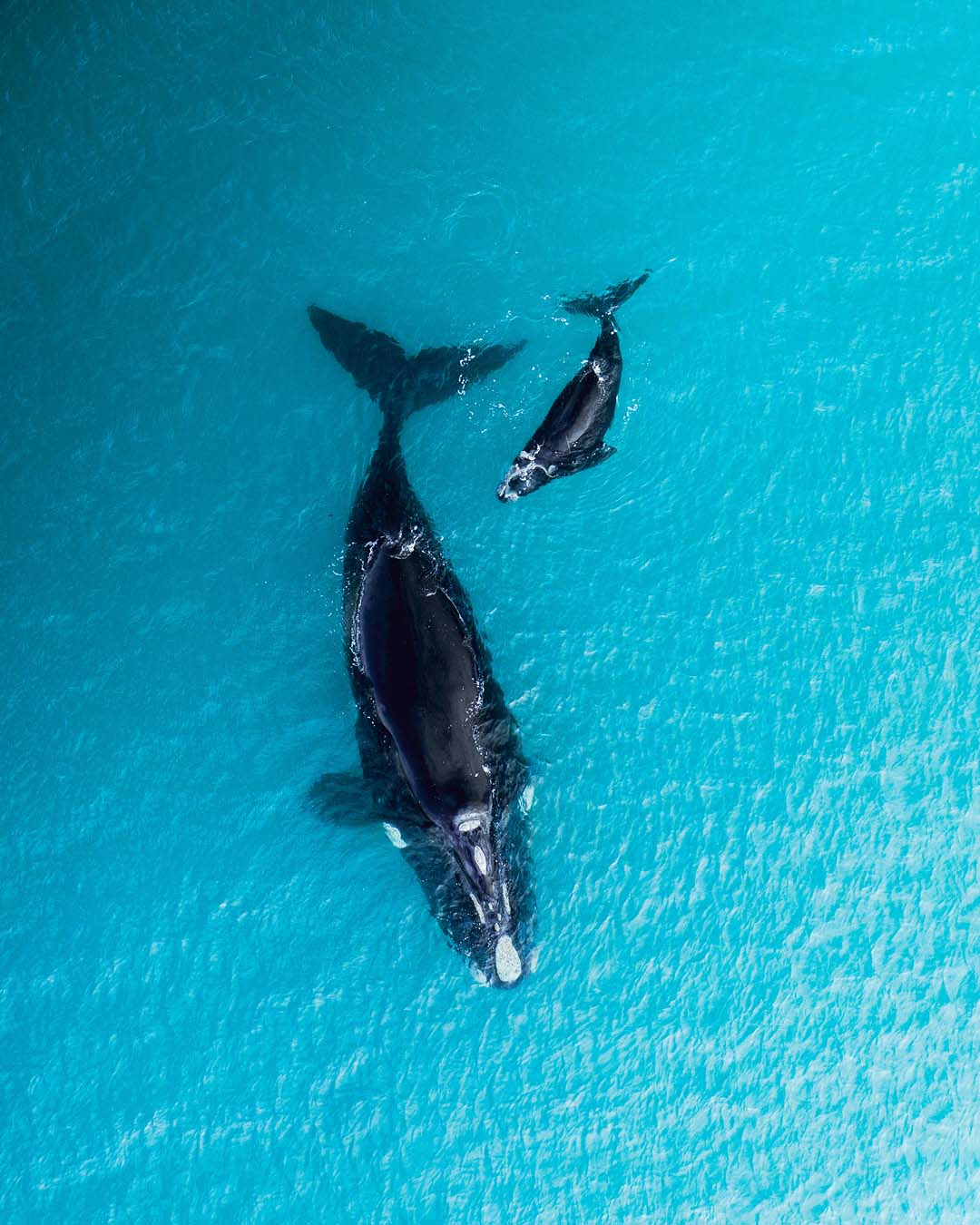
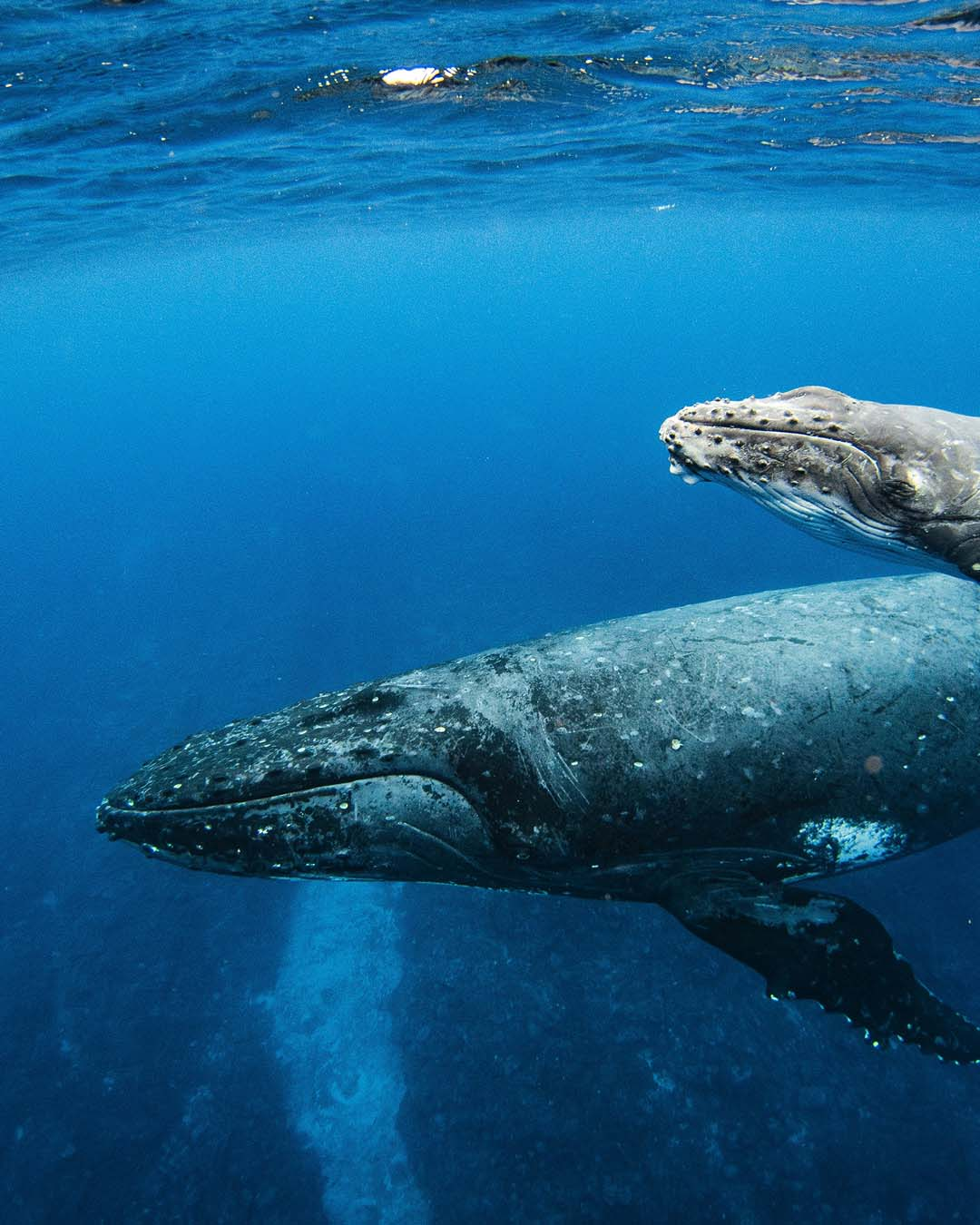
Humpbacks breed during the winter months in warm waters, where males compete through song and displays to attract females. After an 11-month gestation, calves are born and stay close to their mothers for up to a year, nursing on rich, fatty milk while learning the migratory routes and survival skills they’ll need.
Why it’s so special seeing them
Few wildlife encounters rival the sight of a humpback whale breaching or slapping its enormous fins on the surface. Their sheer size is humbling, but it’s their playful, almost adolescent-like behaviour that leaves the deepest impression. Watching them in the wild is one of the most grounding wildlife encounters you can experience.
Other wildlife