Arctic Fox
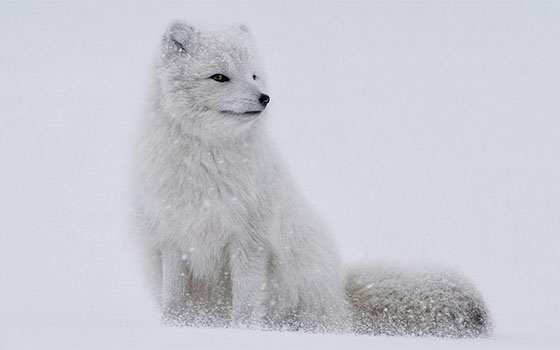
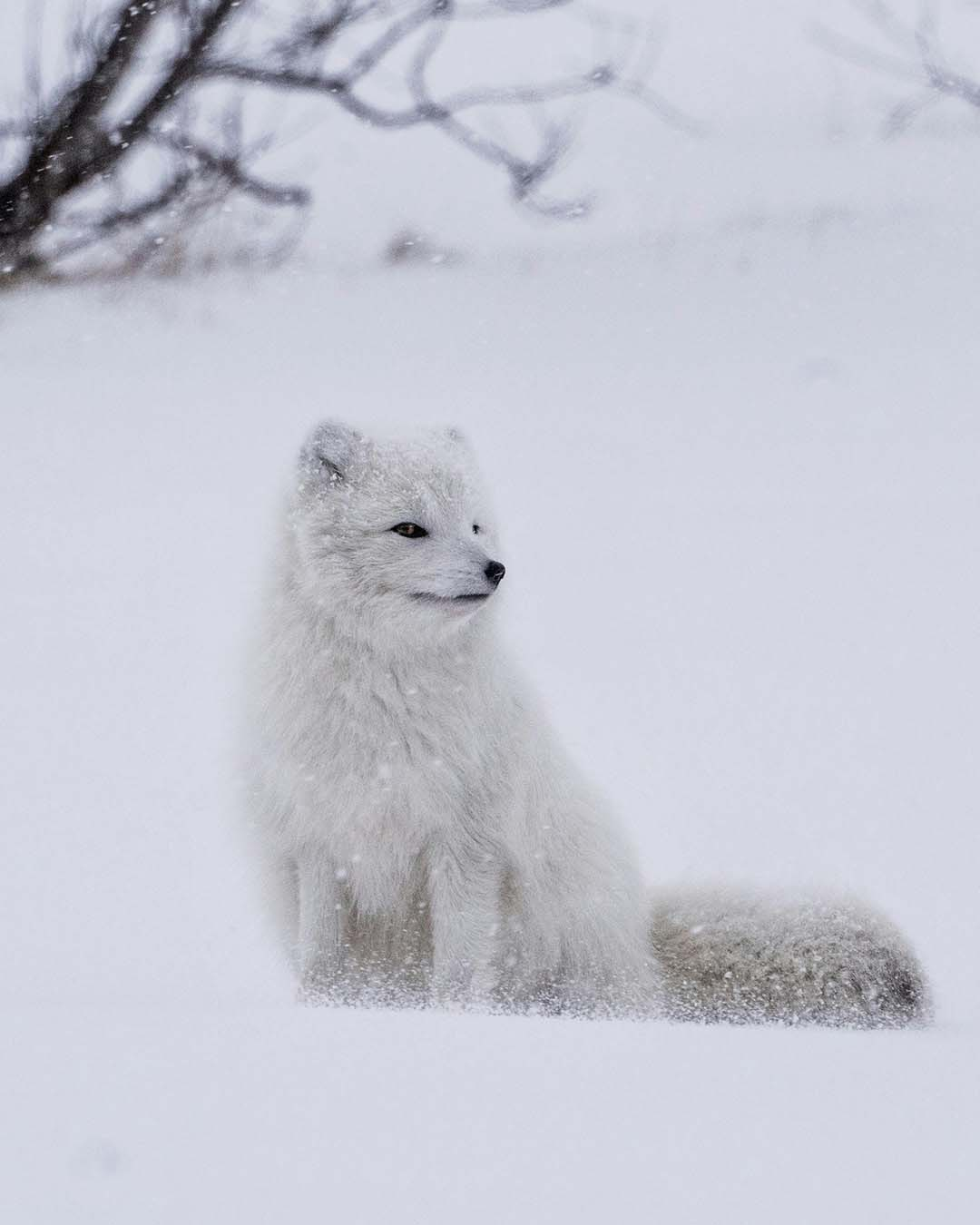
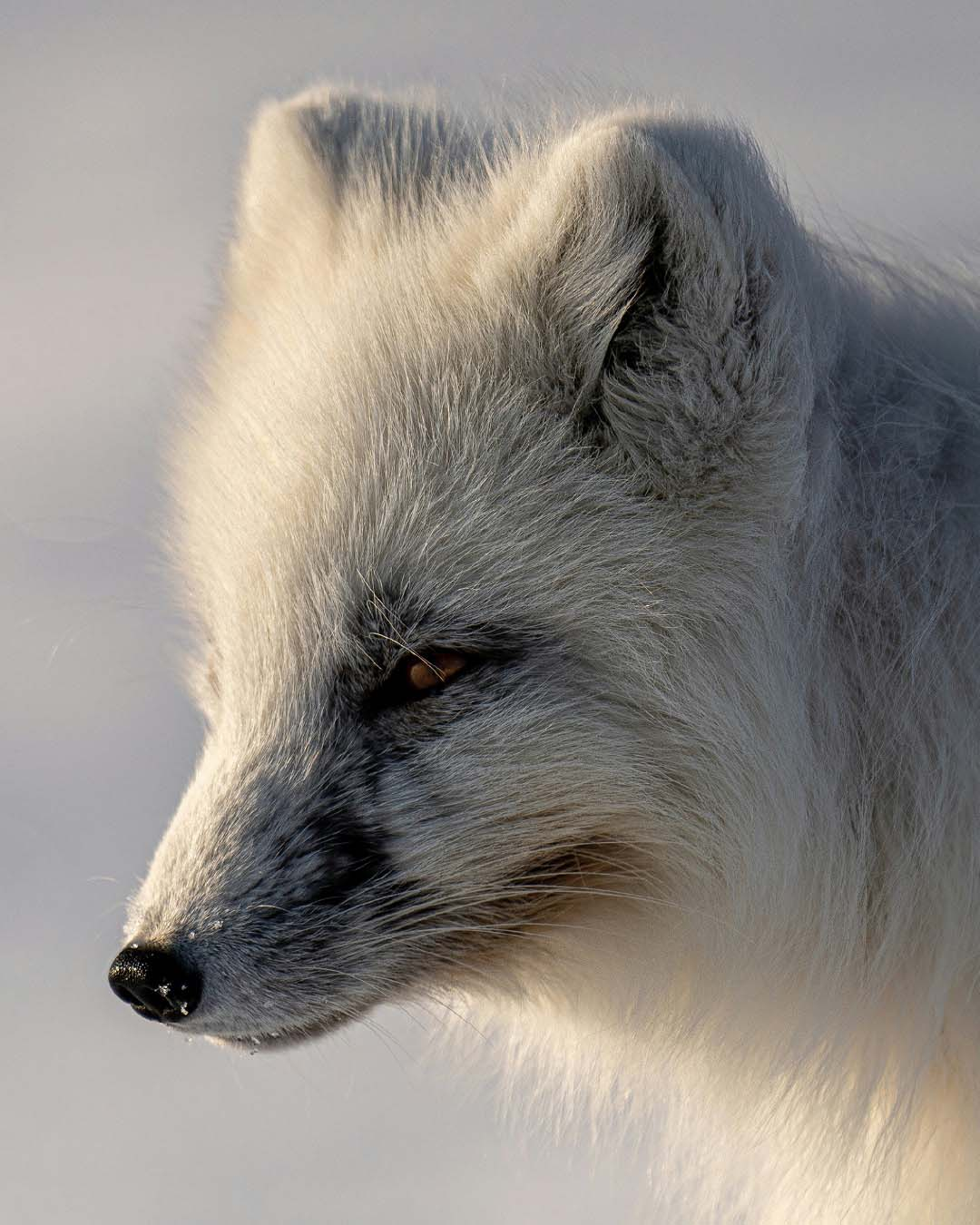
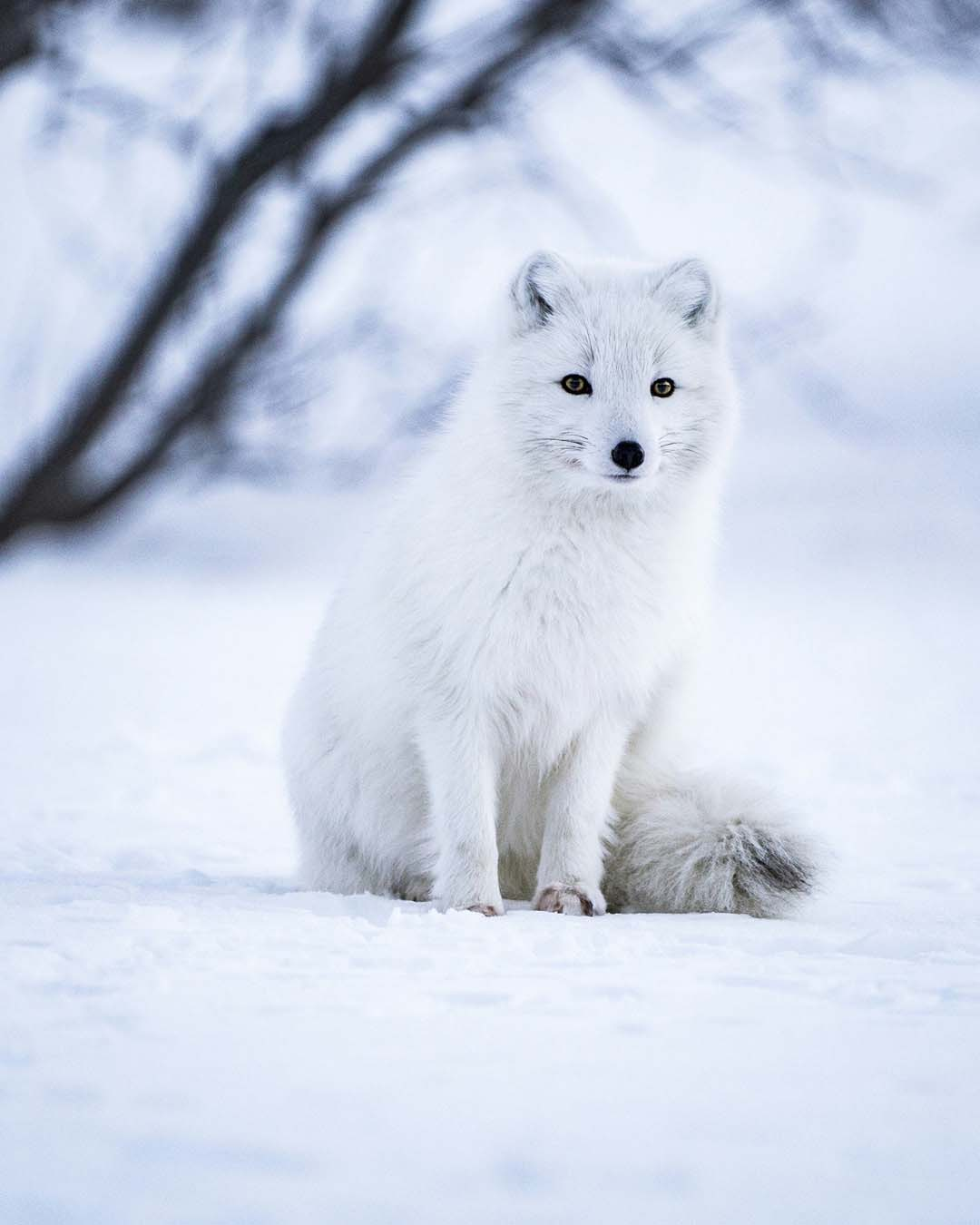
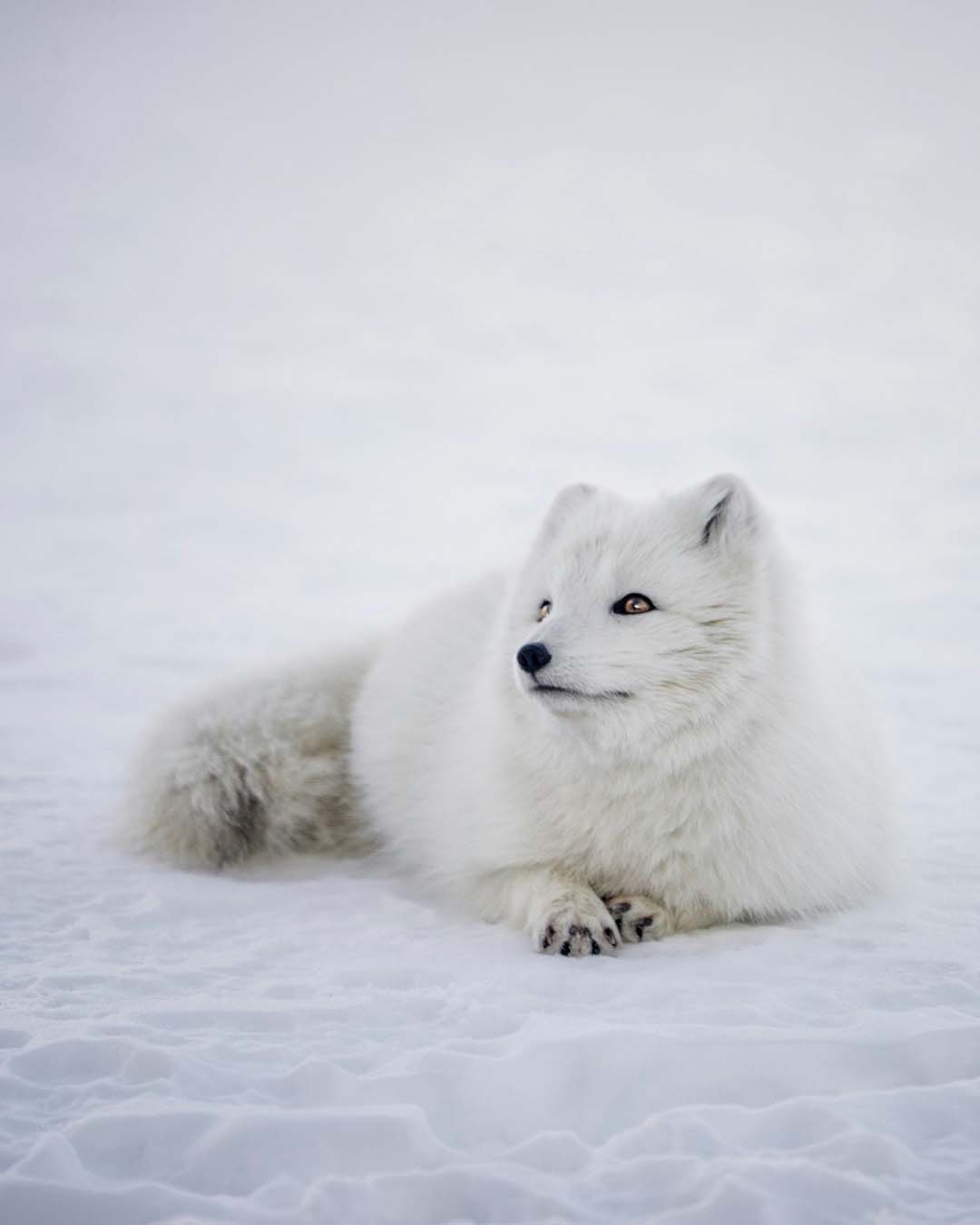
Fluffier than you might have imagined, the Arctic fox is a small but remarkably hardy predator. It’s perfectly adapted to life in the planet’s coldest environments, with its compact body, short muzzle, and thick, multi-layered fur. The Arctic Fox thrives in temperatures that can plunge to an icy –50°C.
One of their most fascinating attributes is their seasonal camouflage. If you see them in the winter then they’ll be the purest white, whereas in summer, their fur changes to brown or grey to match the bare tundra.
Weighing only 2.5–9 kg, the Arctic Fox may be small, but it’s resourceful, feeding on lemmings, seabirds, fish, berries, and even scavenging from polar bear kills. Its keen hearing allows it to detect prey beneath the snow, pouncing with pinpoint accuracy. Whether padding across windswept ice or foraging along the coast, the Arctic fox is resilient and elegant in a harsh and unforgiving world.
Where they live
When you’re likely to see them
They can be spotted year-round, though sightings are more common in summer when they raise pups near dens. In winter, they roam widely across snow and sea ice in search of food, occasionally following polar bears to scavenge from leftover kills.
Mating/nesting patterns/seasons
Breeding begins in early spring. After a gestation of about 52 days, females give birth to litters of up to 14 pups, though 5–8 is typical. Families remain together through summer, with both parents feeding the young until they’re ready to disperse in early autumn.
Why it’s so special seeing them
Experts at camouflage and wary around humans, seeing an Arctic Fox is pretty rare, although it is possible. Any animal that thrives in such hostile conditions is worth respect, but also being as cute as they are, we think they’ll soon become one of your favourite animals.
Other wildlife