

Grizzly Bear
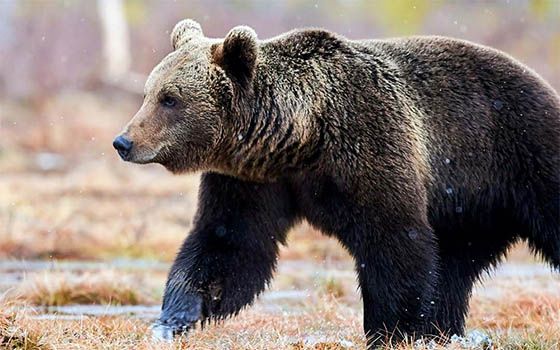
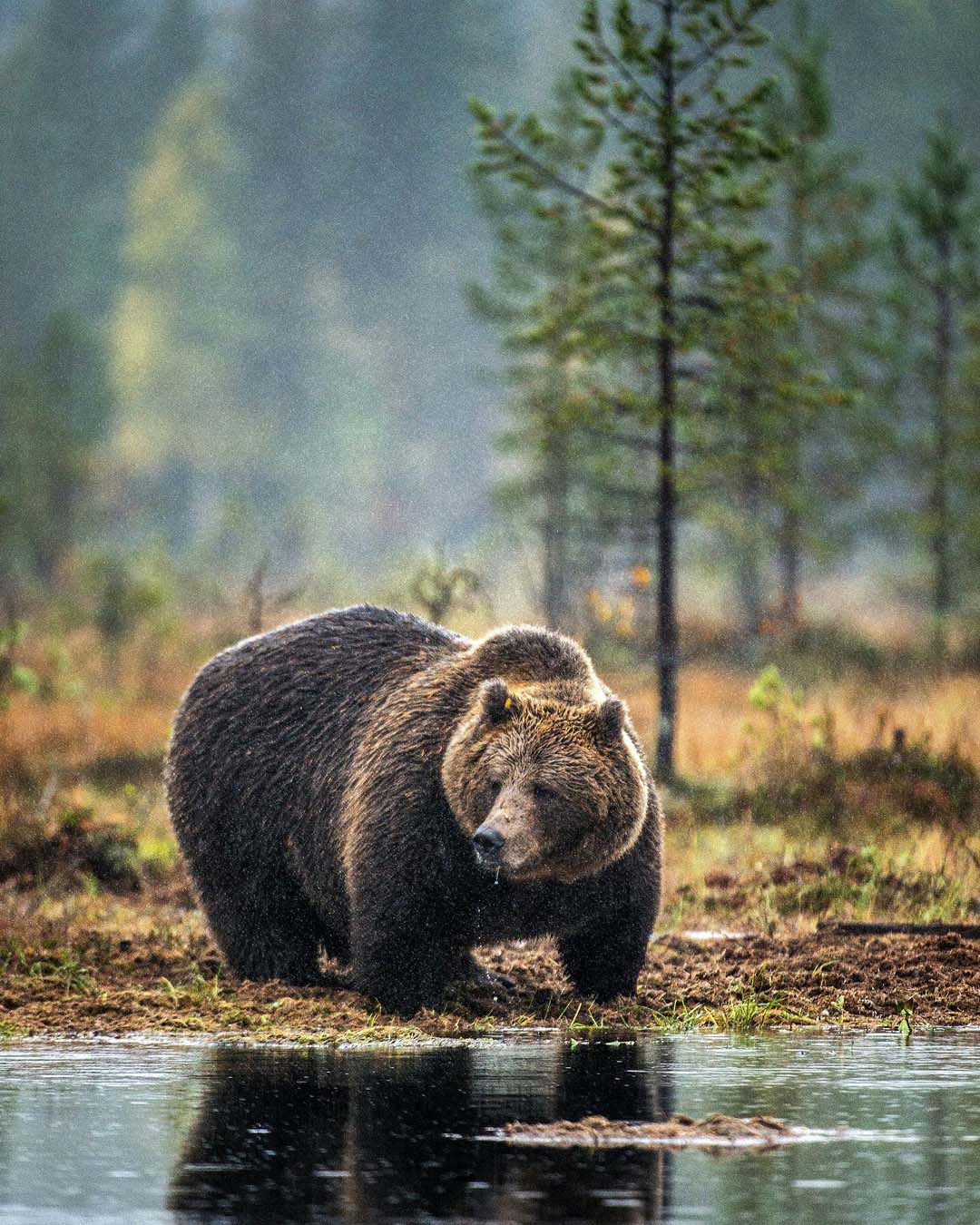
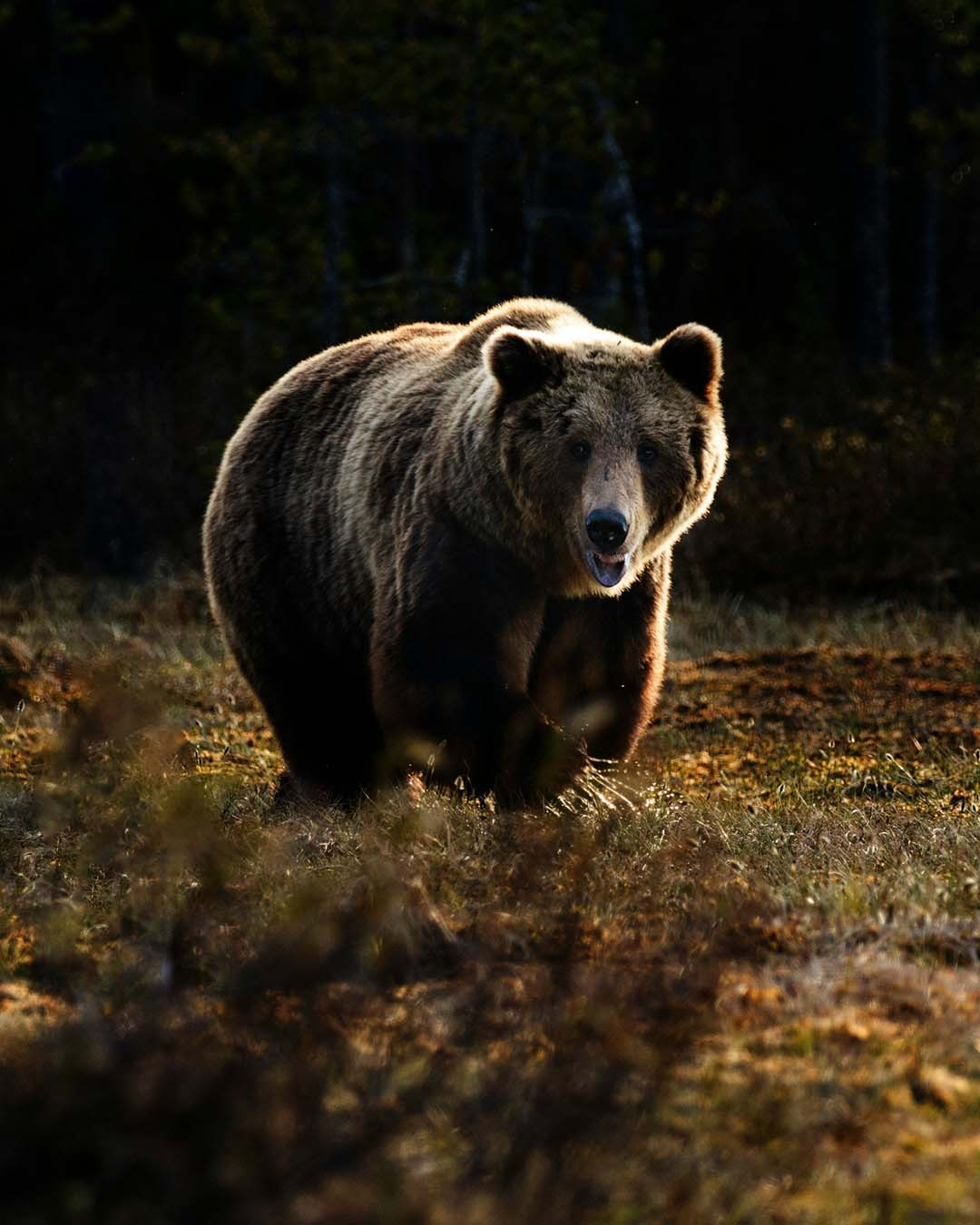
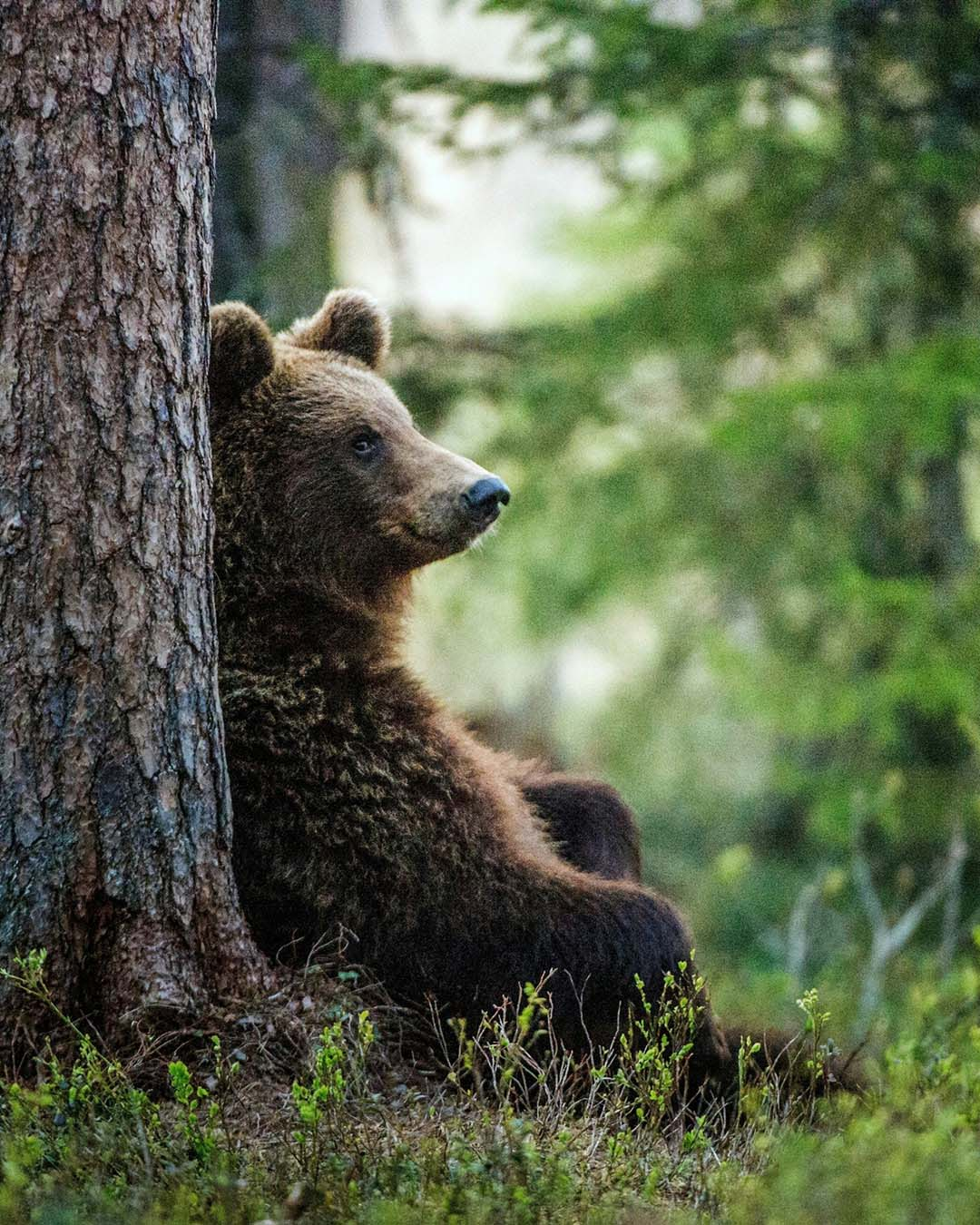
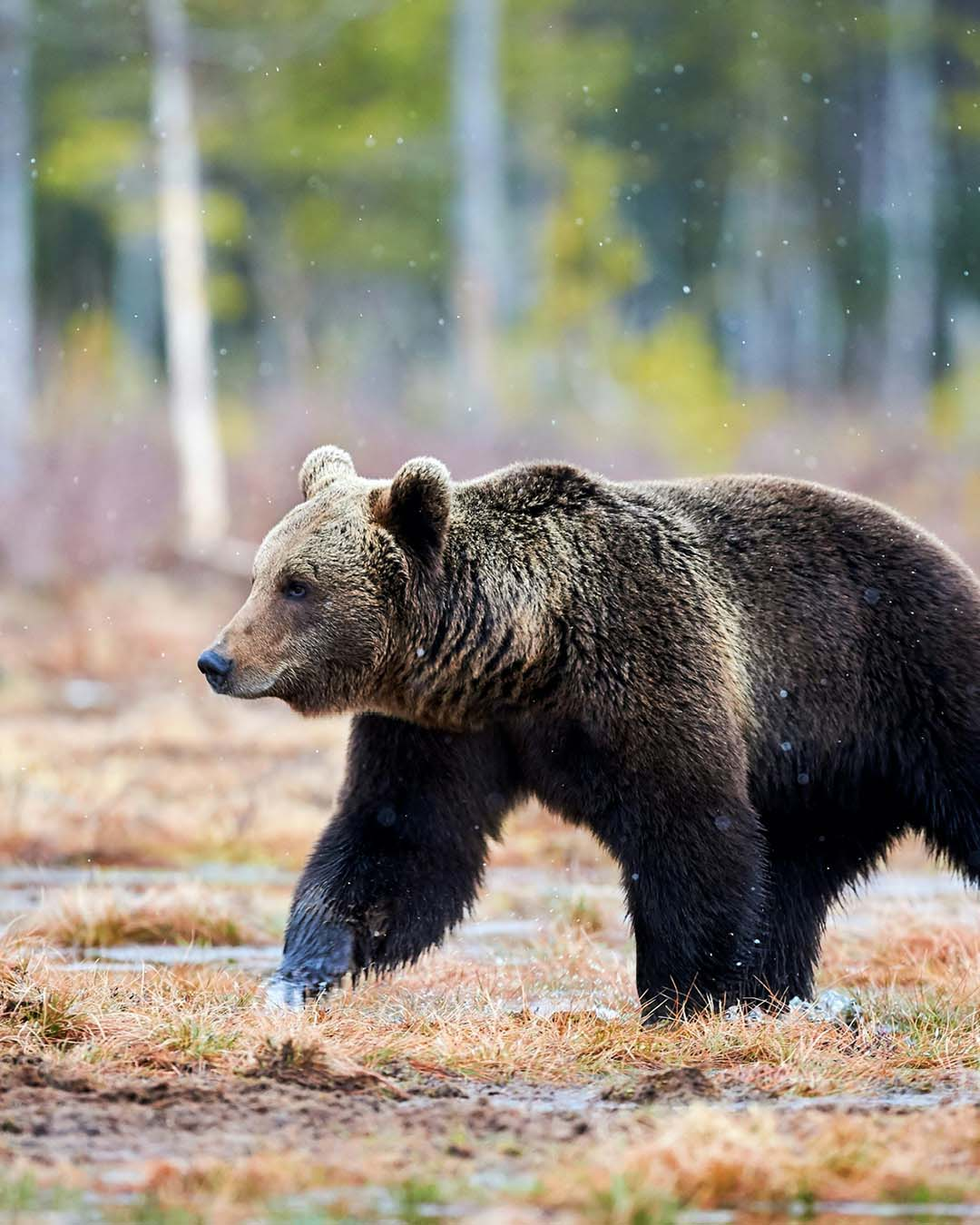
They’re one of the most ferocious yet loveable members of the animal kingdom. The grizzly bear is a striking subspecies of the brown bear, instantly recognisable by its muscular hump over the shoulders, powerful limbs, and coarse brown fur.
Adult males can weigh up to 400 kg, while females are smaller yet still impressive in size. Grizzlies are omnivores, so they eat a range of berries and roots, as well as small mammals and fish depending on the season.
They are excellent foragers and swimmers, capable of covering vast distances in search of food. Highly intelligent and adaptable, grizzly bears are solitary but fiercely protective mothers.

Where they live
When you’re likely to see them
Grizzlies are most active during spring and summer when emerging from hibernation and foraging heavily. Sightings are common near rivers during salmon runs or in meadows rich with berries. Autumn sees increased movement as they prepare for hibernation, though they remain elusive in dense terrain.
Mating/nesting patterns/seasons
Grizzly bears mate between May and July. Females experience delayed implantation, giving birth to one to four cubs during winter hibernation in dens. Cubs remain with their mother for roughly two to three years, learning essential skills before venturing out independently into the wild, where survival demands vigilance and adaptability.
Why it’s so special seeing them
Grizzly bears are pretty terrifying, so we hope that you’ll be spotting them from a safe distance and with a reliable guide. Their immense power, intelligence, and watchful presence command respect immediately. Observing a mother with cubs or a bear fishing along a river is one of the most spectacular things you can witness in the wild.
Other wildlife