Sea Lion
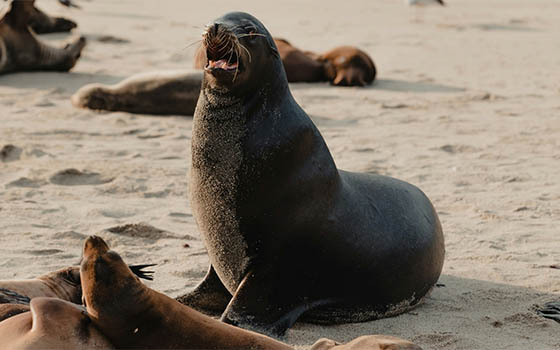
We’ll start this description by explaining the difference between sea lions and seals, because it’s something that people often confuse. Sea lions have external ear flaps whereas seals have small holes. Sea lions also use their large front flippers, allowing them to “walk” upright and move quickly on beaches or rocks. Seals wriggle on their bellies instead. Socially, sea lions are very noisy and seals are generally quieter, making softer grunts or hisses.
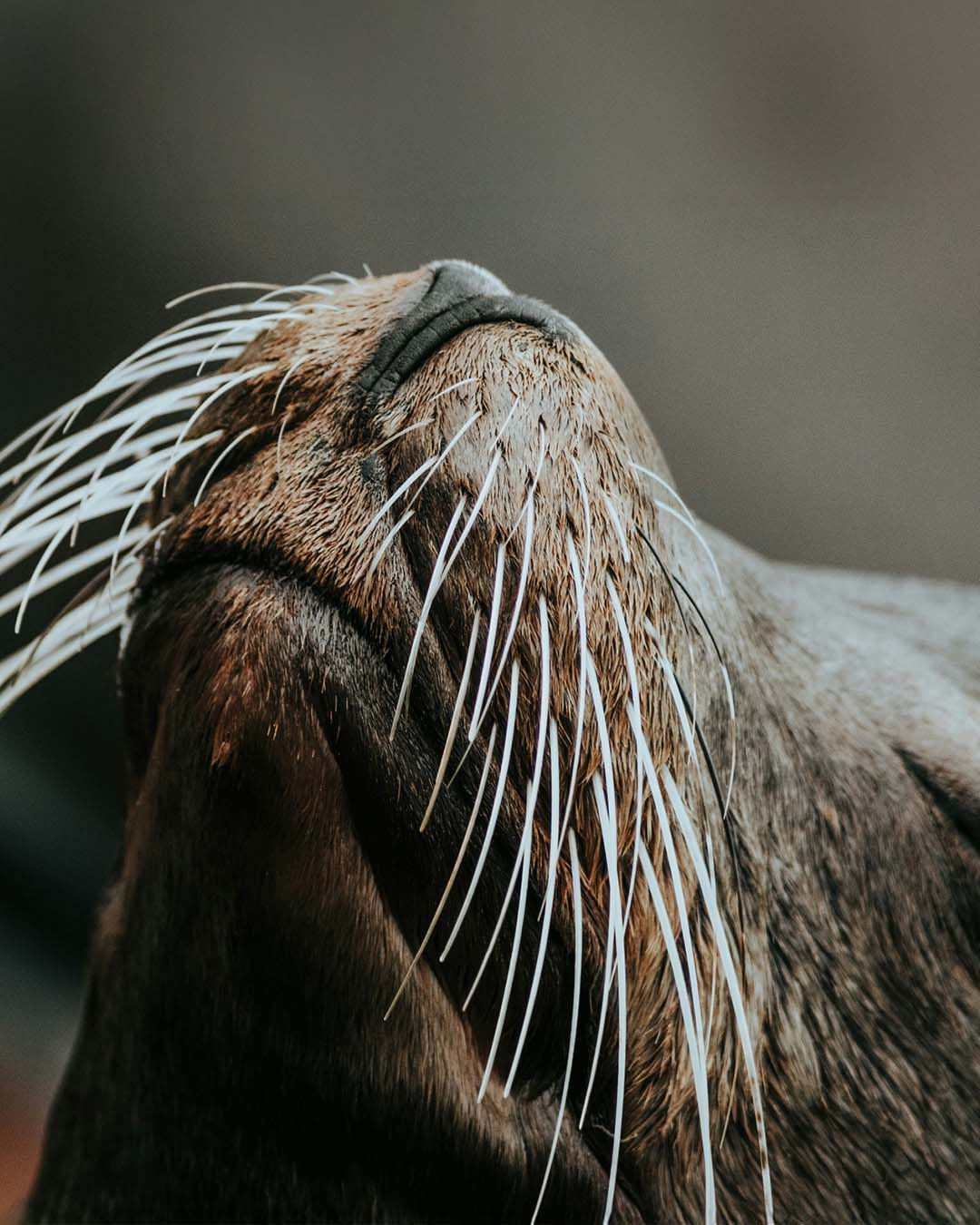
Six species of sea lion are found across the Pacific Ocean, from the coasts of South America and California to the sub-Antarctic islands of New Zealand. Adult males can weigh up to 300 kg and are famous for establishing harems during the breeding season, fiercely defending their territories from rivals. If you get the chance to see them on your cruise, sea lions are always entertaining, whether sunbathing en masse, porpoising alongside Zodiacs, or barking noisily from a rocky outcrop.

Where they live
When you’re likely to see them
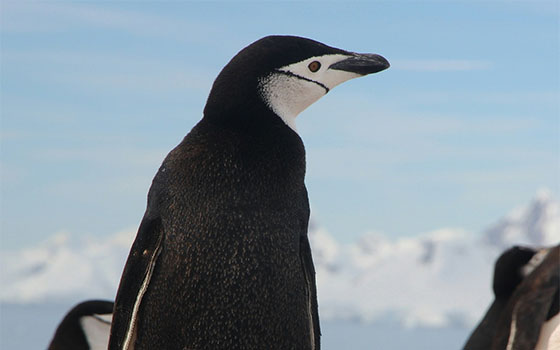
Like the other penguins in the region, you’re best chance at great viewing is from November to March, during the Antarctic summer, Gentoos are ashore breeding and raising chicks. This is when their colonies are busiest, with constant comings and goings as adults return from the sea with bellies full of food for their hungry young.
Mating/nesting patterns/seasons
Sea lion breeding seasons vary by region, typically occurring in summer. Dominant males establish territories and gather harems of females, with fierce battles determining hierarchy. Pups are born the following season and nursed for nearly a year, during which they form lively nurseries that visitors can observe near colonies.
Why it’s so special seeing them
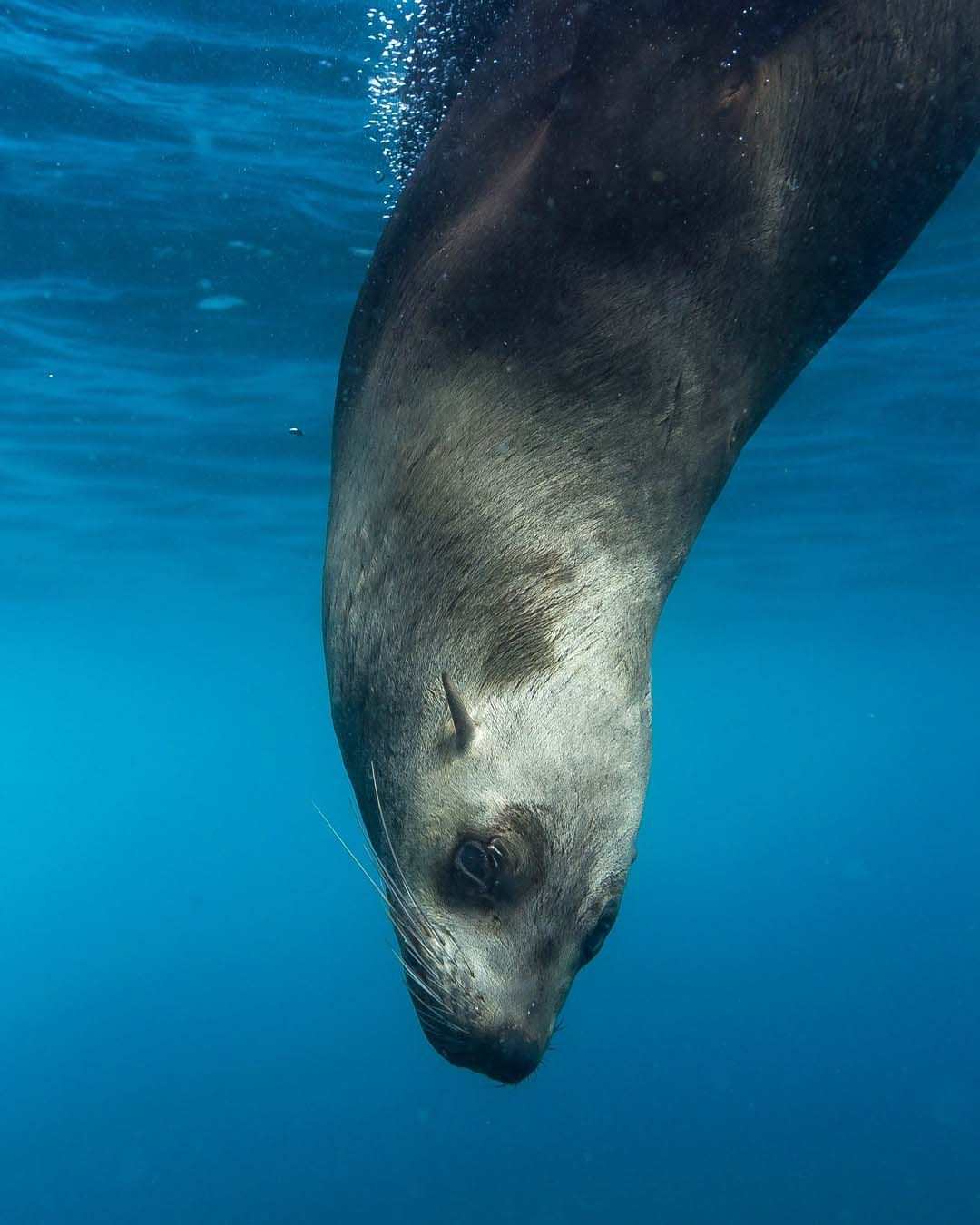
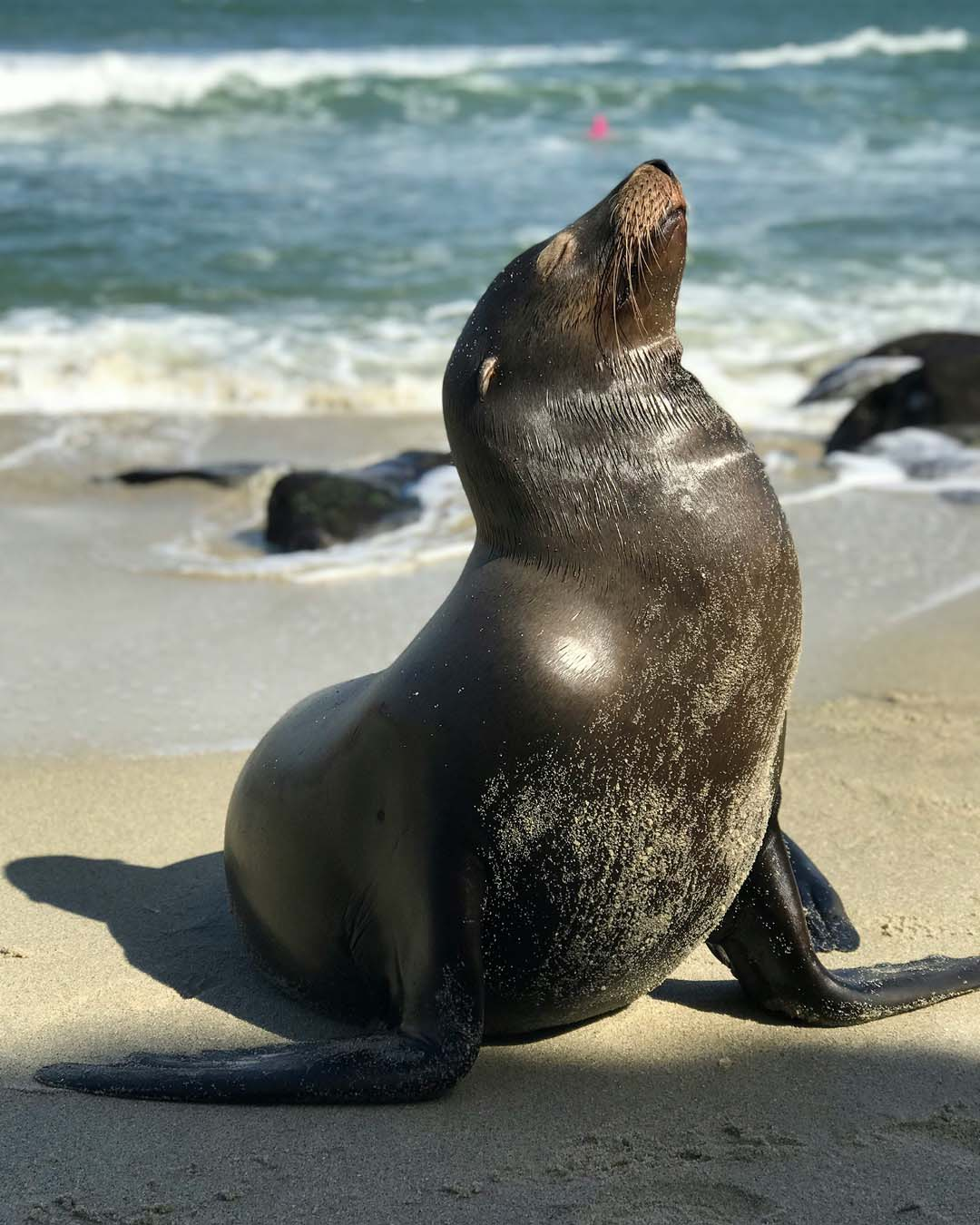
There’s never a dull moment when observing sea lions. They’re inquisitive, social animals, often unafraid to swim close to boats or entertain travellers with acrobatic dives. On land, colonies are bustling with activity, from playful pups to territorial males. Watching sea lions bask in the sun or splash in crystal waters is both joyful and memorable.
Other wildlife