Galapagos Tortoise
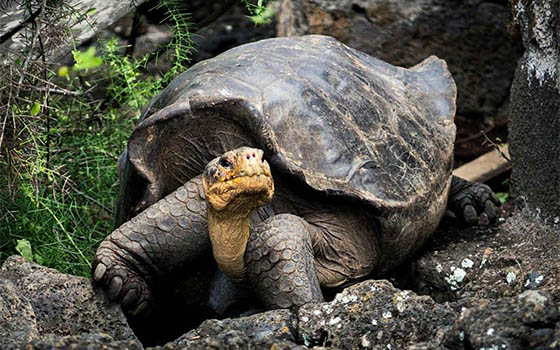
The Galápagos Islands were, in fact, named after the massive tortoises that were found when the islands were discovered. Spanish explorers named them "Insulae de los Galopegos", which means “Islands of the Saddlebacks (tortoises)” in Spanish.
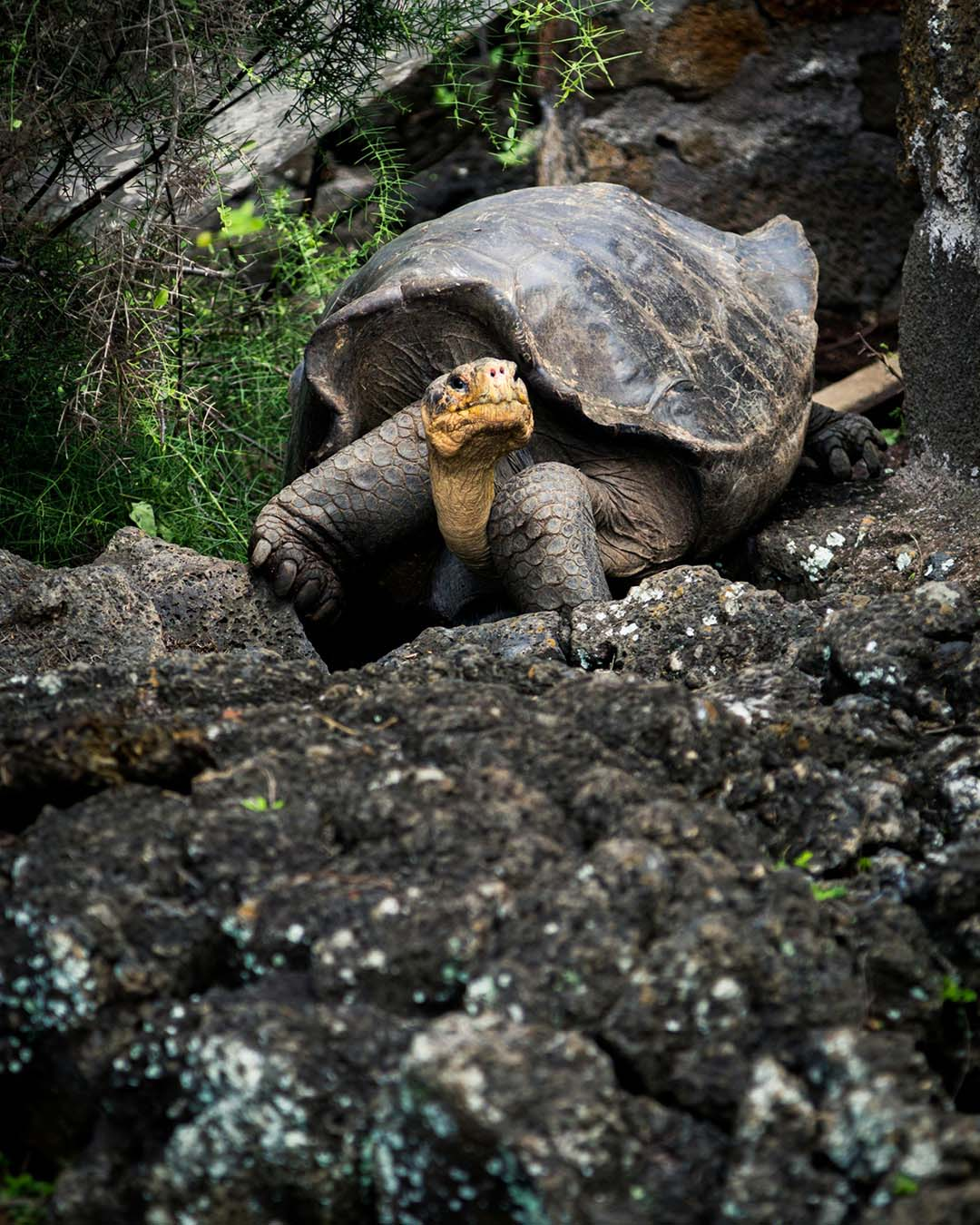
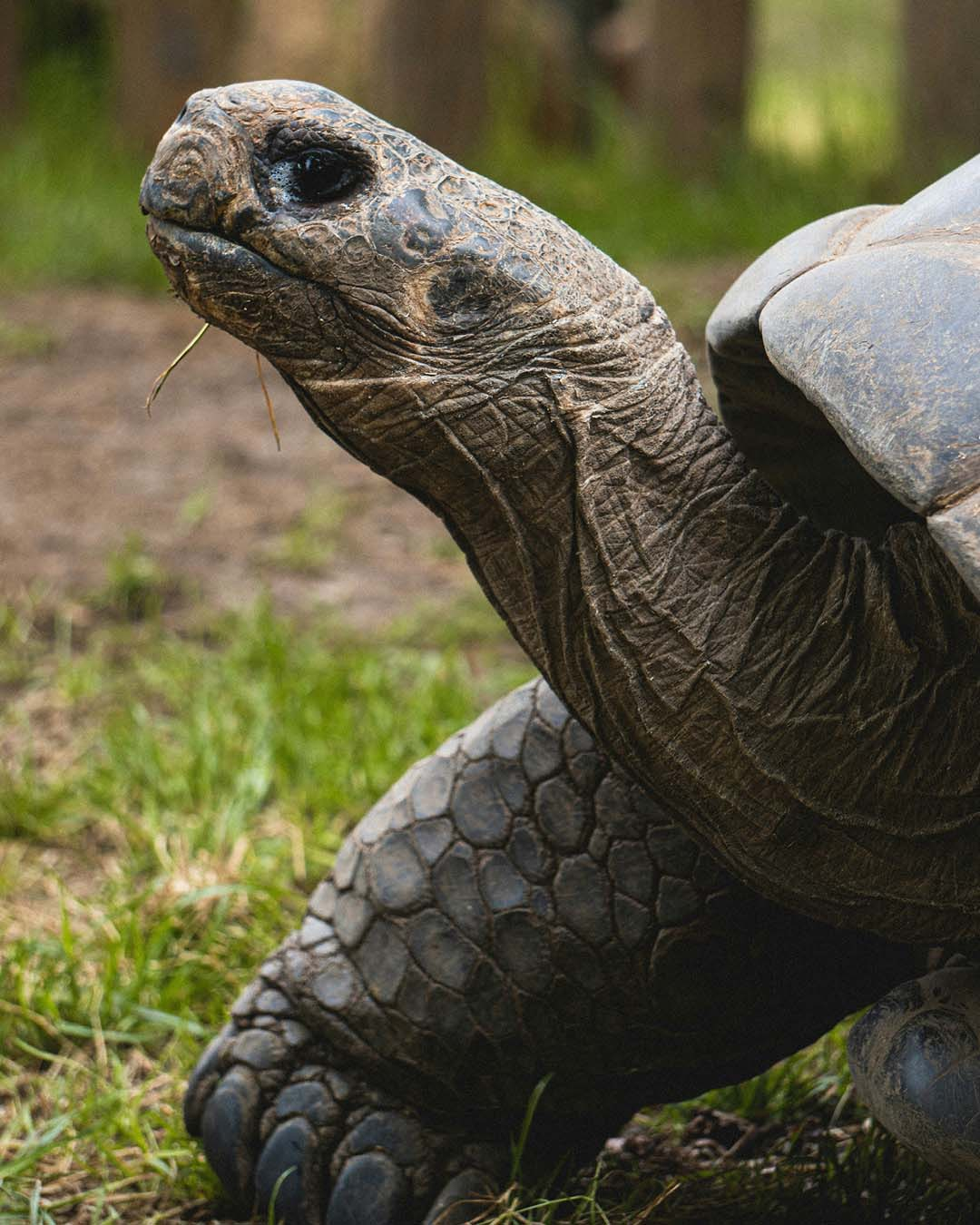
These gentle giants can weigh more than 400 kilograms and live well over 100 years, making them among the longest-living vertebrates on Earth. Their domed or saddleback shells vary depending on the island they inhabit, reflecting the dramatic adaptations to their environments.
On expedition cruises, visitors encounter them lumbering slowly through highland forests, grazing on grasses, or wallowing in muddy pools. Despite their size and armored appearance, they move with surprising grace and have a calm, prehistoric presence. Seeing these ancient reptiles in their natural habitat is always one of the most humbling experiences of the Galápagos Islands.
Where they live
When you’re likely to see them
Tortoises can be spotted year-round, though sightings vary with the seasons. In the wet months (January–May), they are more active in the highlands, grazing in verdant fields. During the dry season, they often migrate to lower, drier areas, visible along guided expedition treks.
Mating/nesting patterns/seasons
Breeding season occurs from January to August, when males may travel long distances to find mates. Nesting usually takes place between June and December, with females digging deep pits in sandy soil to bury their eggs. Conservation centers on Santa Cruz and Isabela protect nests, giving expedition travelers insight into ongoing preservation efforts.
Why it’s so special seeing them
Any of the giant tortoise species is a joy to witness. The Galápagos tortoise, in particular, is surprisingly quick, and they move in a way that makes you feel as though they know more than they’re letting on.
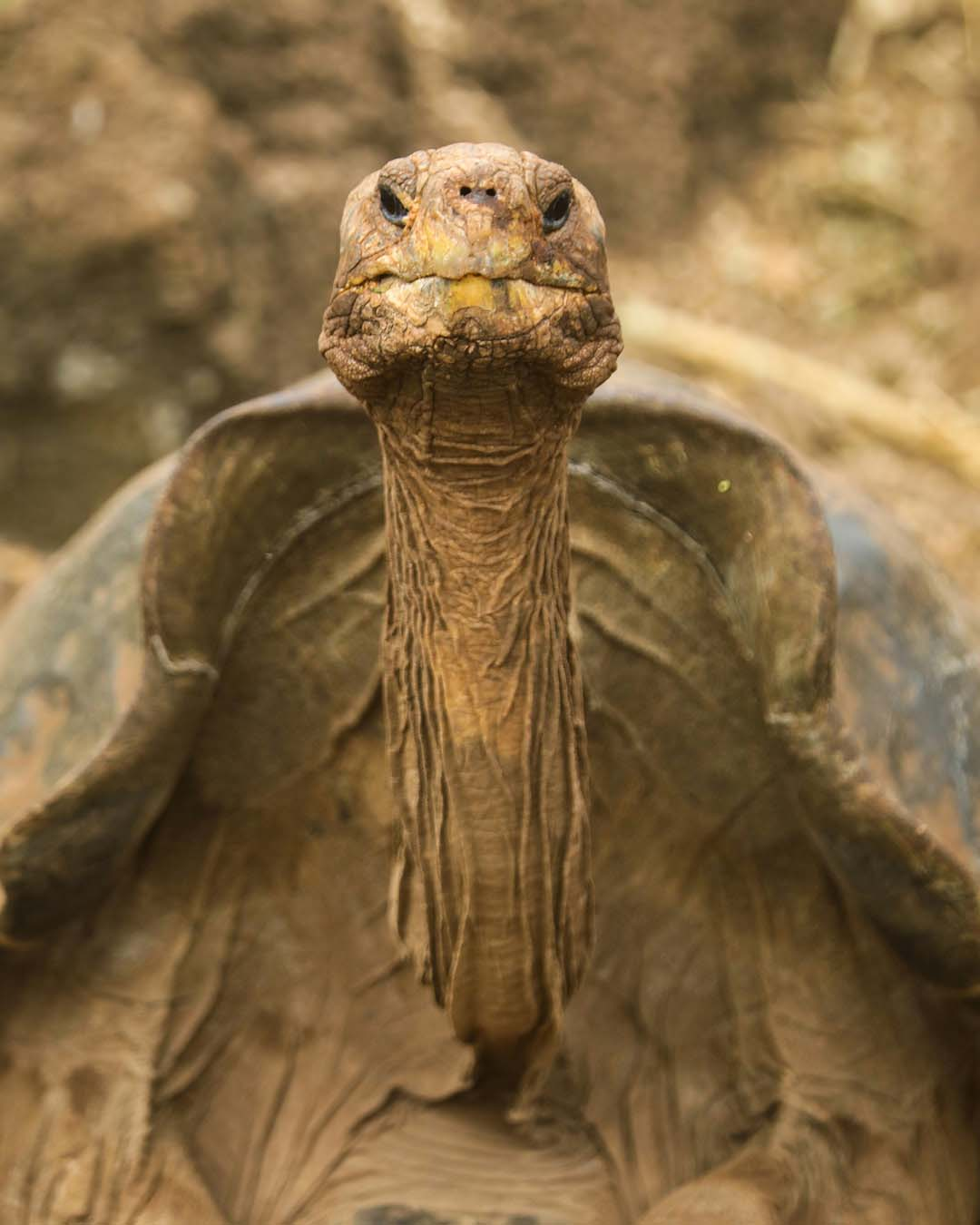
Watching them graze peacefully, stretch their long necks to reach vegetation, or sink into a mud pool is totally serene. For expedition cruisers, seeing these giants up close, especially in their natural highland habitats, underscores the Galápagos’ extraordinary conservation success.
Other wildlife