
Photography workshops
Photos or it didn’t happen. If you’ve been meaning to take up photography or simply wish to hone existing skills, there’s no better setting than a once-in-a-lifetime expedition cruise. With the jaw-dropping topography and breathtaking landscapes as your studio, and the unique flora and fauna your subjects, you are perfectly placed to polish your camera craft. Unlike a conventional workshop or classroom, an expedition cruise provides a uniquely dynamic environment with unforgettable moments around every corner. Whether it’s a humpback whale breaching a glittering fjord, a rainbow stretching across a cascading Kimberley waterfall or the Northern Lights illuminating the sky—a team of both environmental and visual storytelling experts will ensure that you’re in the right place at the right time, every time. Signing up to an expedition cruise photography workshop means that you won’t just have been on the trip of a lifetime—you’ll have the shots to prove it.
Multiple cruise lines now boast photography workshops, including Seabourn, Silversea and National Geographic-Lindblad Expeditions. It’s an incredibly accessible activity, requiring no physical fitness and catering to photography veterans and newbies alike.

What is the experience like?
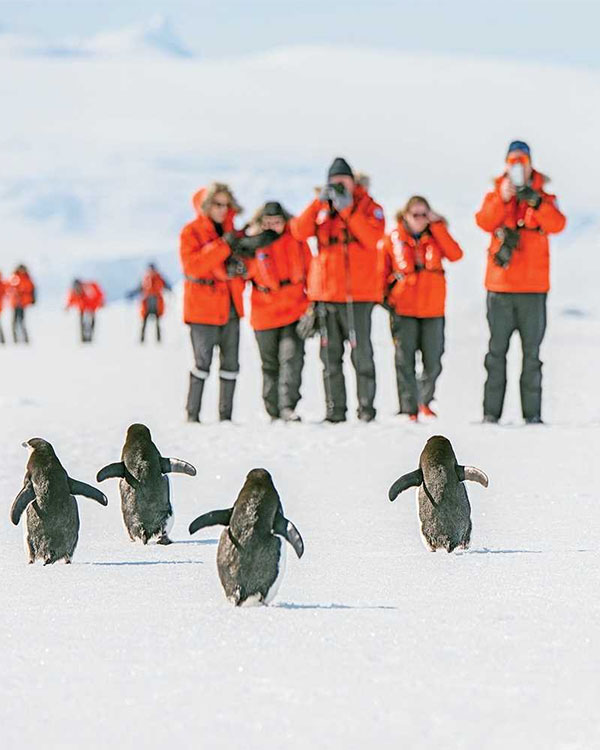
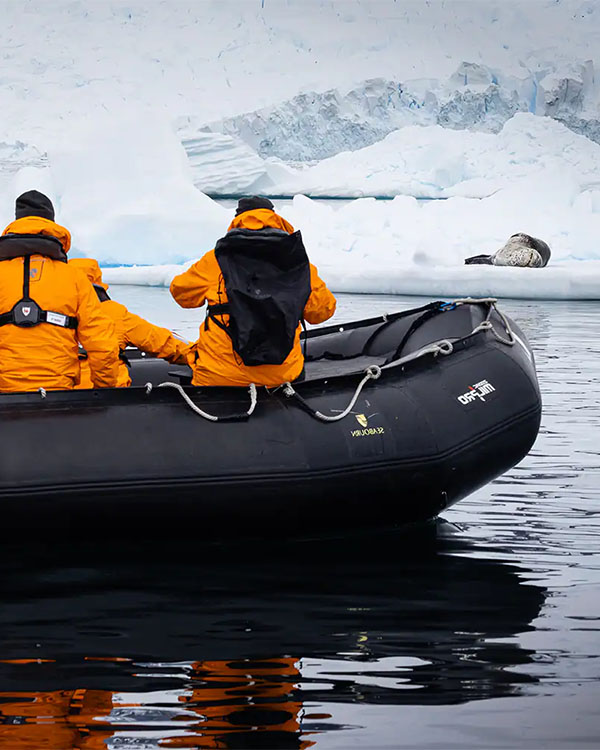
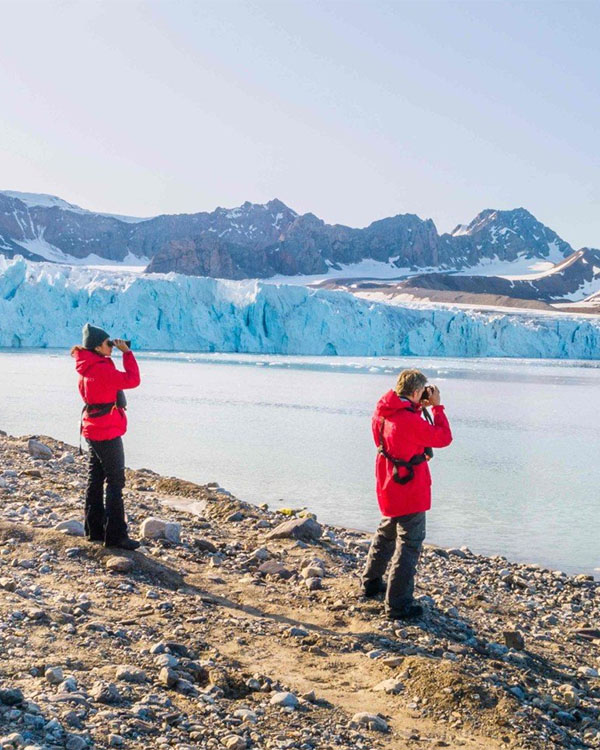
Over the course of the workshop, you’ll learn how to capture the marvels around you with technical precision, through a series of both group and 1:1 lessons on framing, composition, lighting and more. The camera equipment used will be your own, but certain cruise lines offer the opportunity to try out top-of-the-line gear if you were thinking of upgrading when you get home. You’ll also have access to state-of-the-art printing, editing and retouching software and given training on how to use programs such as Adobe Lightroom and Photoshop.
What should I wear? What should I bring?
When deciding what to wear, the main thing is to dress appropriately for the climate you’ll be working in. Those traversing the polar regions should be bringing waterproofs and warm layers, whereas in warmer climates like the Galápagos or the Kimberley, it’ll be lightweight clothes and cover-ups to shield you from the sun. Regardless of where you’re shooting, you’ll always need essentials such as sunscreen, hats, refillable water bottles and sturdy shoes for navigating challenging terrain. In terms of equipment, you should come prepared with your own camera or phone as well as any lenses or filters you wish to use, plenty of memory cards, batteries, chargers, tripods, and a rain cover or waterproof bag for protecting your equipment in inclement weather.
Where can I do a photography workshop?
- With its otherworldly icy vistas and abundant wildlife, Antarctica is a popular location for learning the tricks of the photography trade.
- Multiple cruise lines offer photography workshops in Greenland and the Arctic—capturing the Aurora Borealis will be a great test of your new skills!
- The Kimberley, with its soaring red cliffs and deep gorges presents a unique landscape for photography.
- The vibrant flora and friendly fauna of the Galápagos Islands are a great place to start for photography newbies.
- Hone your photography skills amongst the crystal-clear skies and glittering glaciers of Alaska.
Other activities


