




Visit
The Falkland Islands
The Falkland Islands are best known in the U.K. for the territorial dispute and subsequent war that was fought between Britain and Argentina. This remote archipelago in the South Atlantic is one of the closest inhabited island groups to the Antarctic.
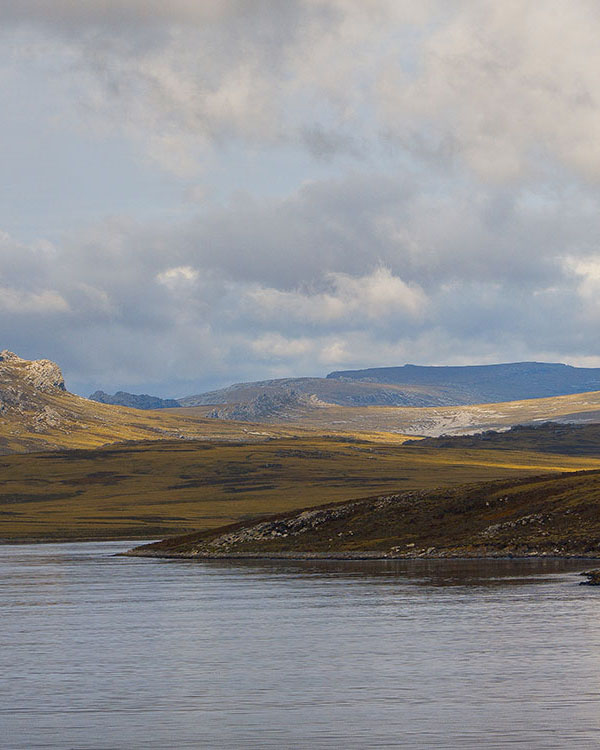
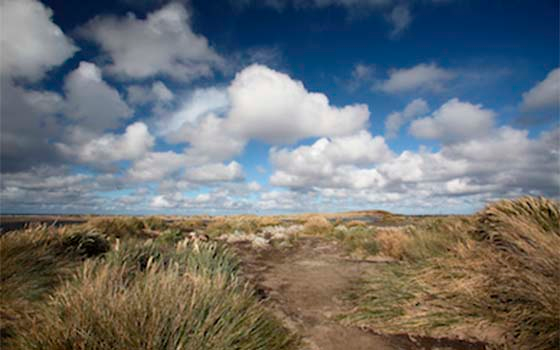
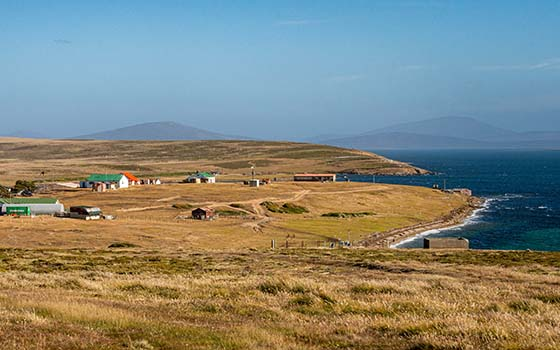
In terms of landscape, the Falkland Islands are characterised by rugged coastlines, sweeping beaches, and windswept grasslands, while a sparse human population gives nature room to thrive.
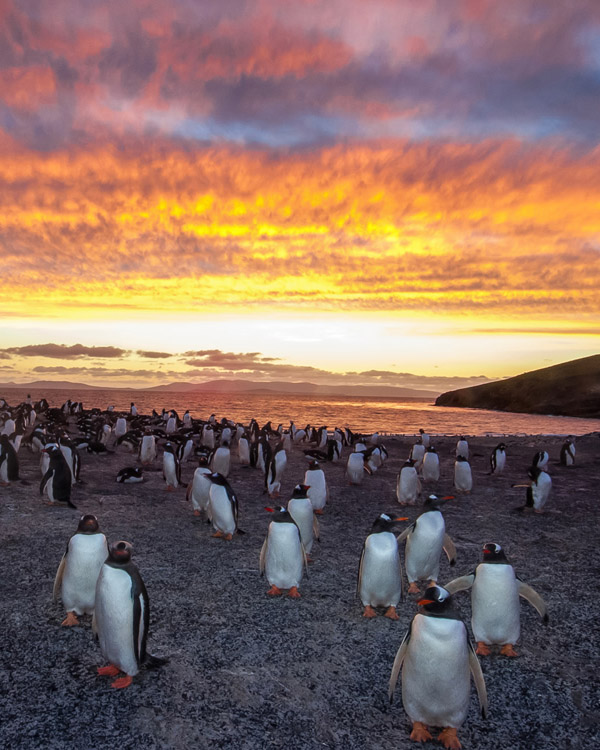
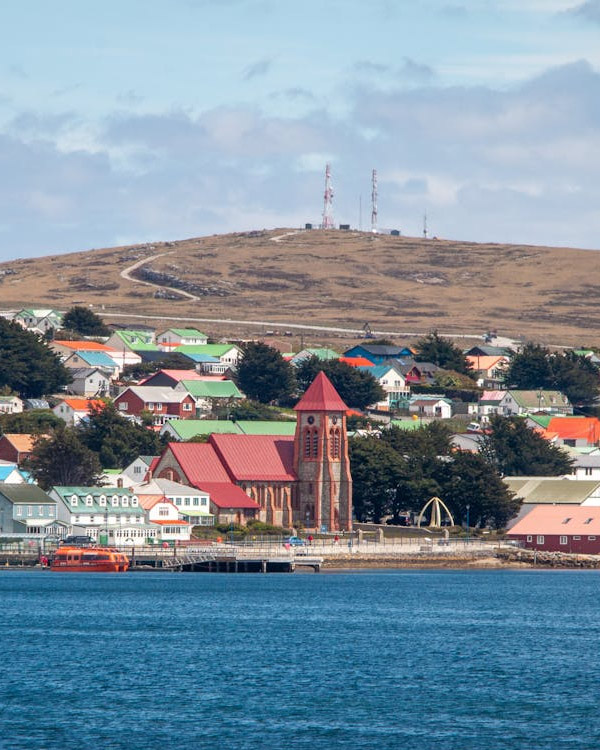
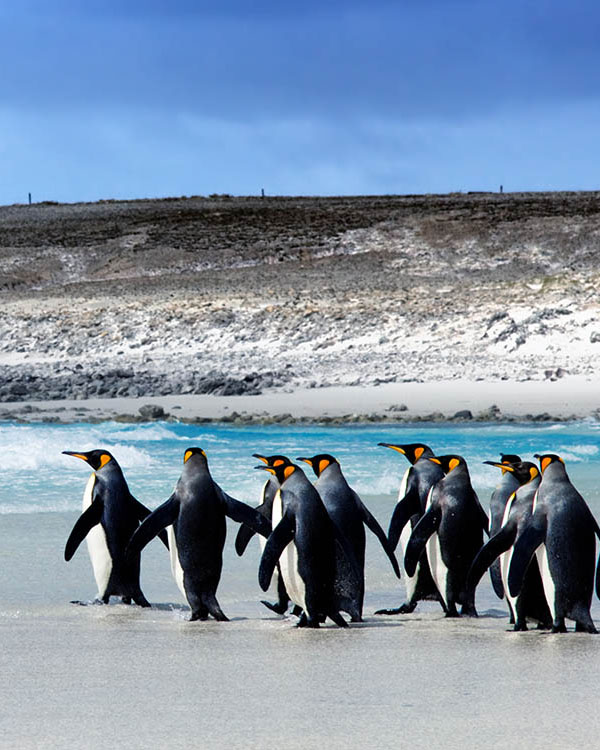
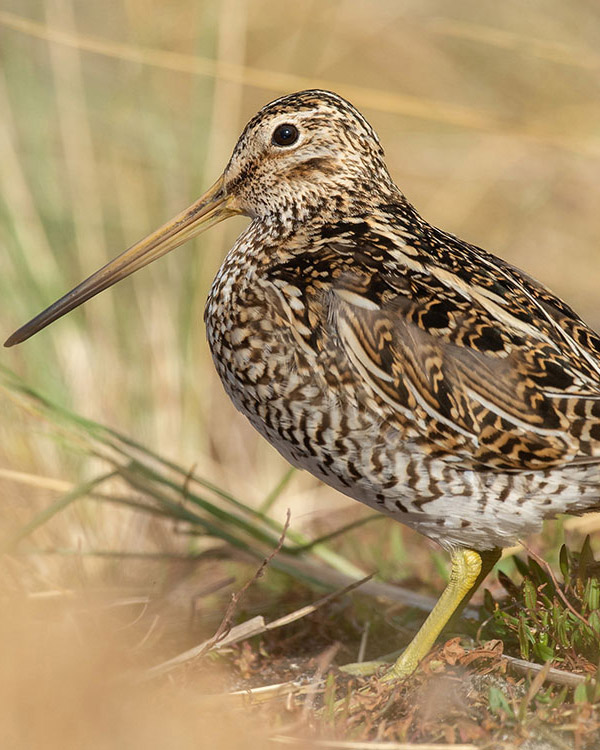
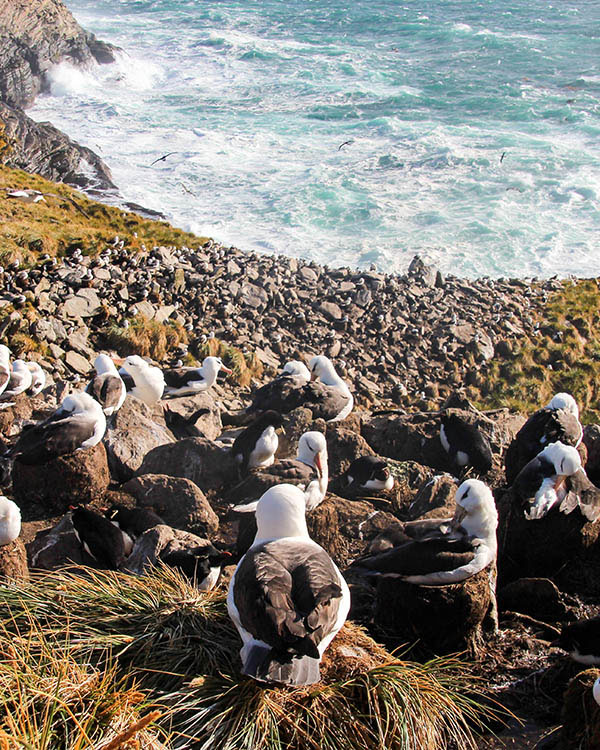
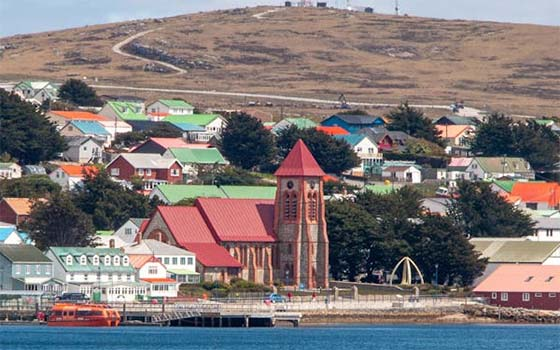
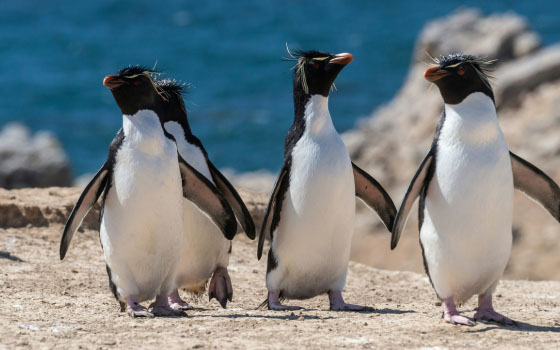
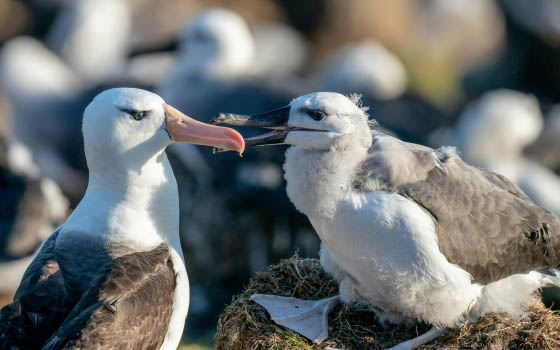
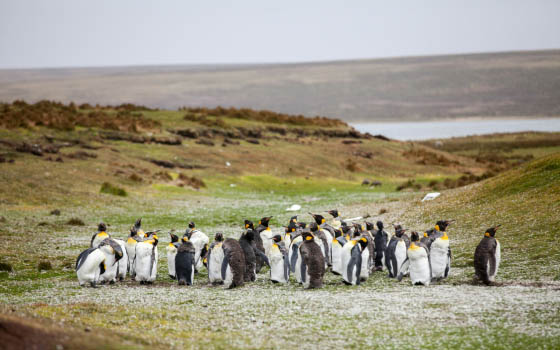
The islands are most famous for their incredible birdlife, from albatrosses soaring above the cliffs to five different species of penguins gathering in large colonies. Beyond the wildlife, the Falklands offer a blend of British heritage and frontier spirit, with colourful houses and cozy pubs in the capital, Stanley.
Visitors can explore battlefields from the 1982 conflict, learn about the islands’ fishing and farming industries, or enjoy the raw beauty of this isolated environment. For expedition travellers, the Falklands provide an unforgettable mix of natural wonder and cultural intrigue, often as a gateway stop en route to South Georgia and Antarctica.
Best time to visit Falkland Islands
The best time to take an expedition cruise to the Falkland Islands is from November to March, during the summer months. This period offers milder temperatures, longer daylight hours and relatively calm seas, creating ideal conditions for an expedition cruise. Expect abundant wildlife at their most active, including penguins, seals and albatrosses, along with opportunities to explore rugged landscapes and important historical sites.
Talk to an expert
Our intrepid adventurers’ Falkland Islands must-do.
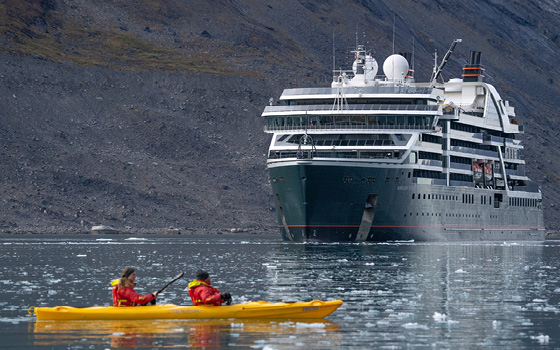
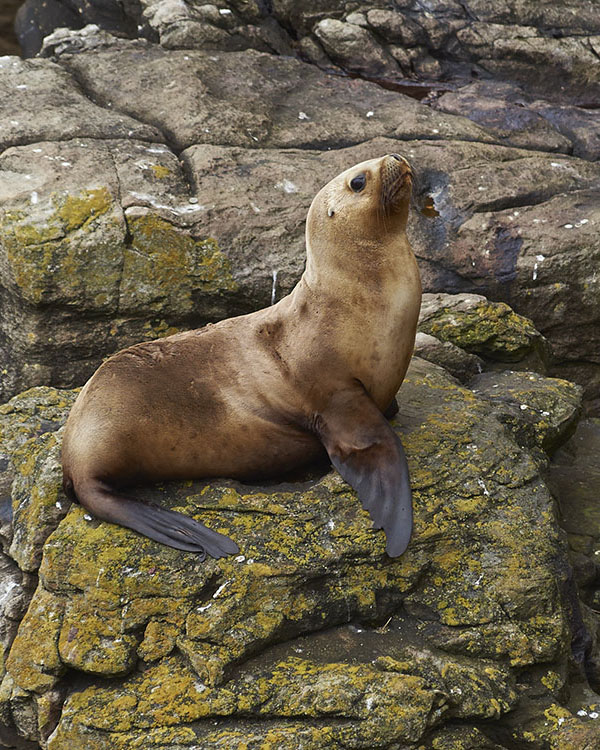
If close-up glimpses of extraordinary wildlife at the end of the earth are your bag, we would highly recommend a trip to the Falkland Islands. Ornithophiles in particular are in for a treat, with over 220 bird species calling these islands home, including rockhopper penguins and the black-browed albatross. The water may be too cold for snorkelling but get yourself on a Zodiac or kayak to check out the region’s impressive marine life—a trip to the Falkland Islands would be incomplete otherwise. From elephant seals to orcas to leaping dolphins, we guarantee that your binoculars will never leave your hand.
Discover Falkland Islands wildlife
Places to visit in Falkland Islands
Activities in Falkland Islands


Cruise lines visiting Falkland Islands